Game of Possible Lives
An arcade game where you live out a statistically plausible life generated by a local AI.
2026
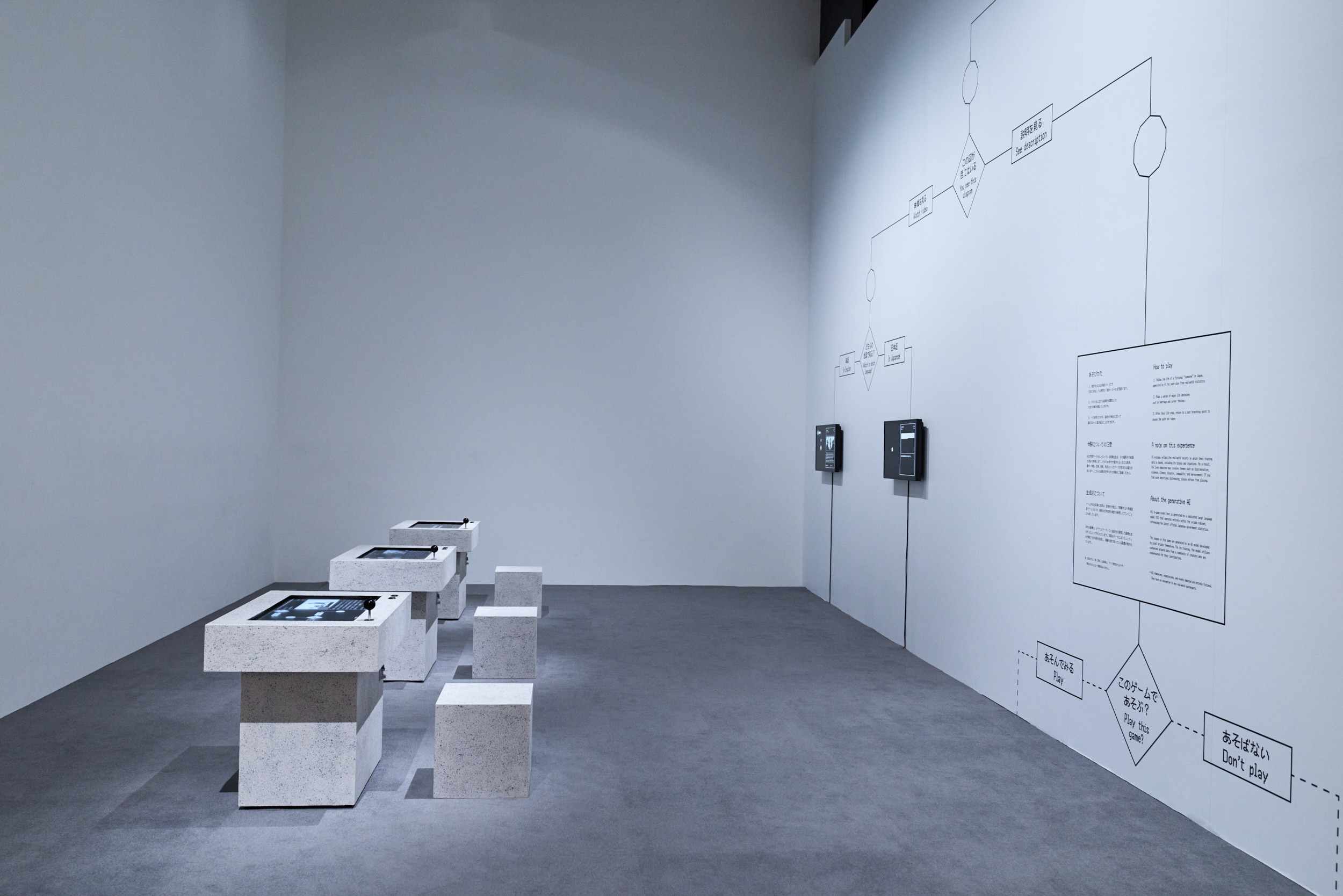
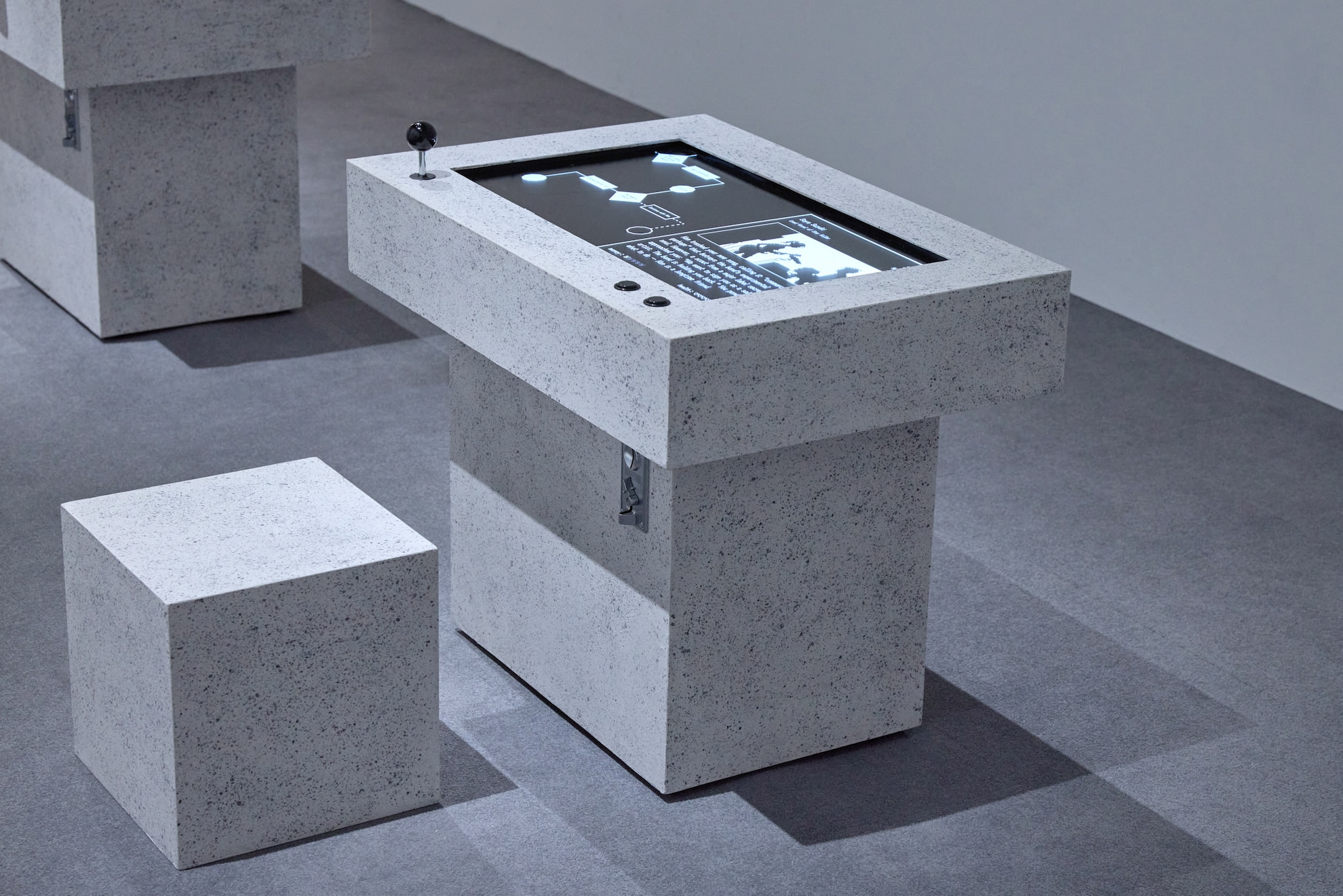
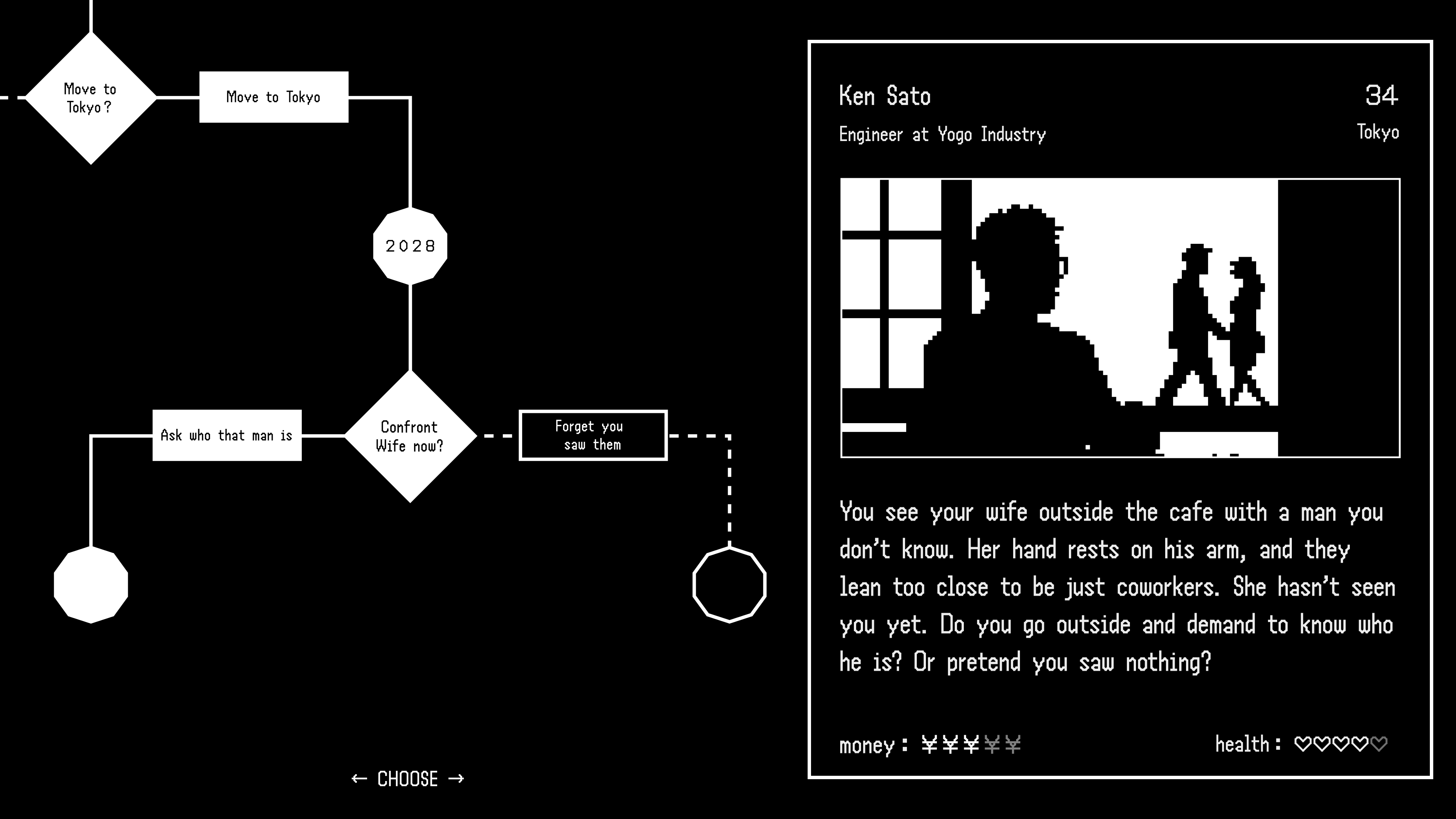
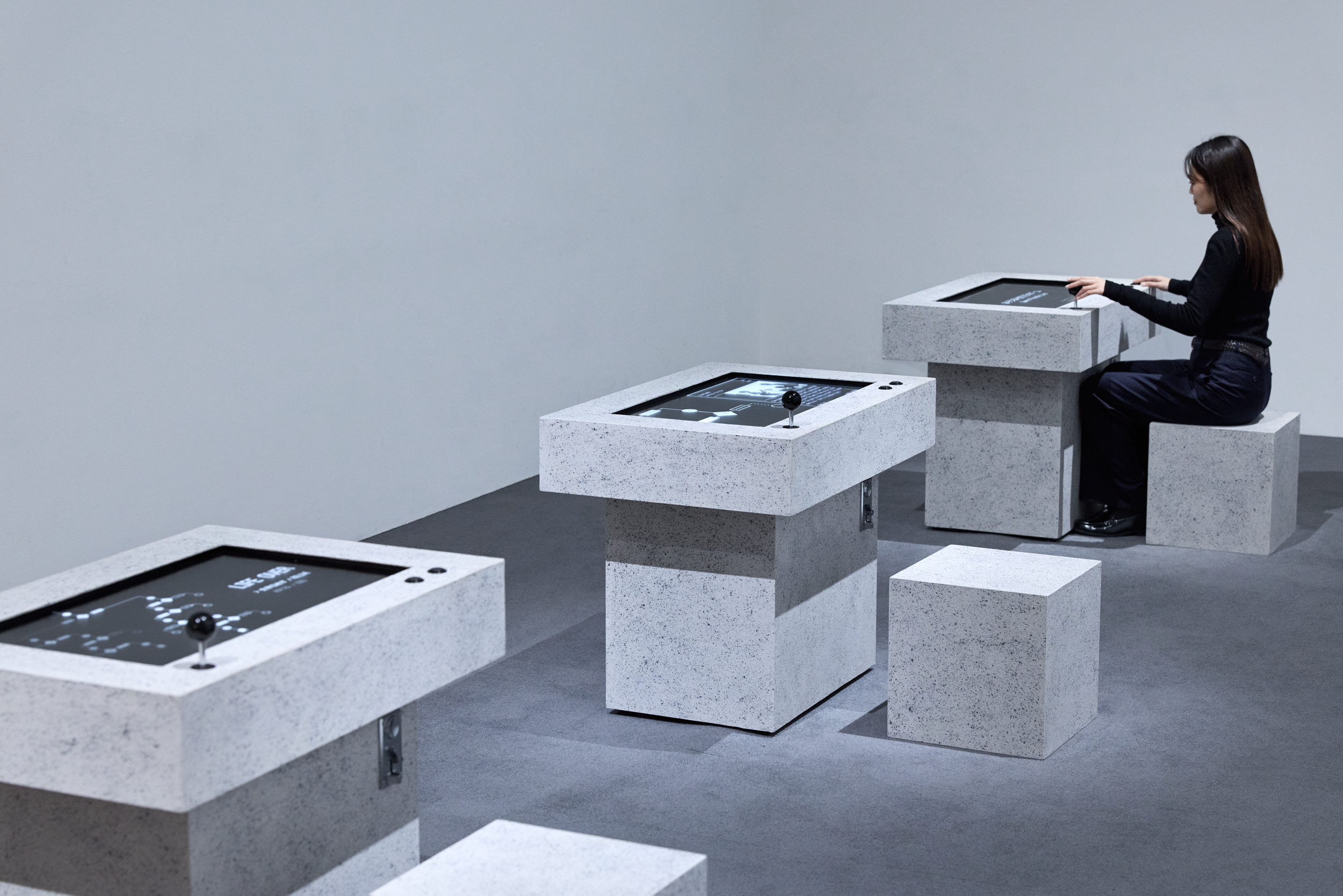
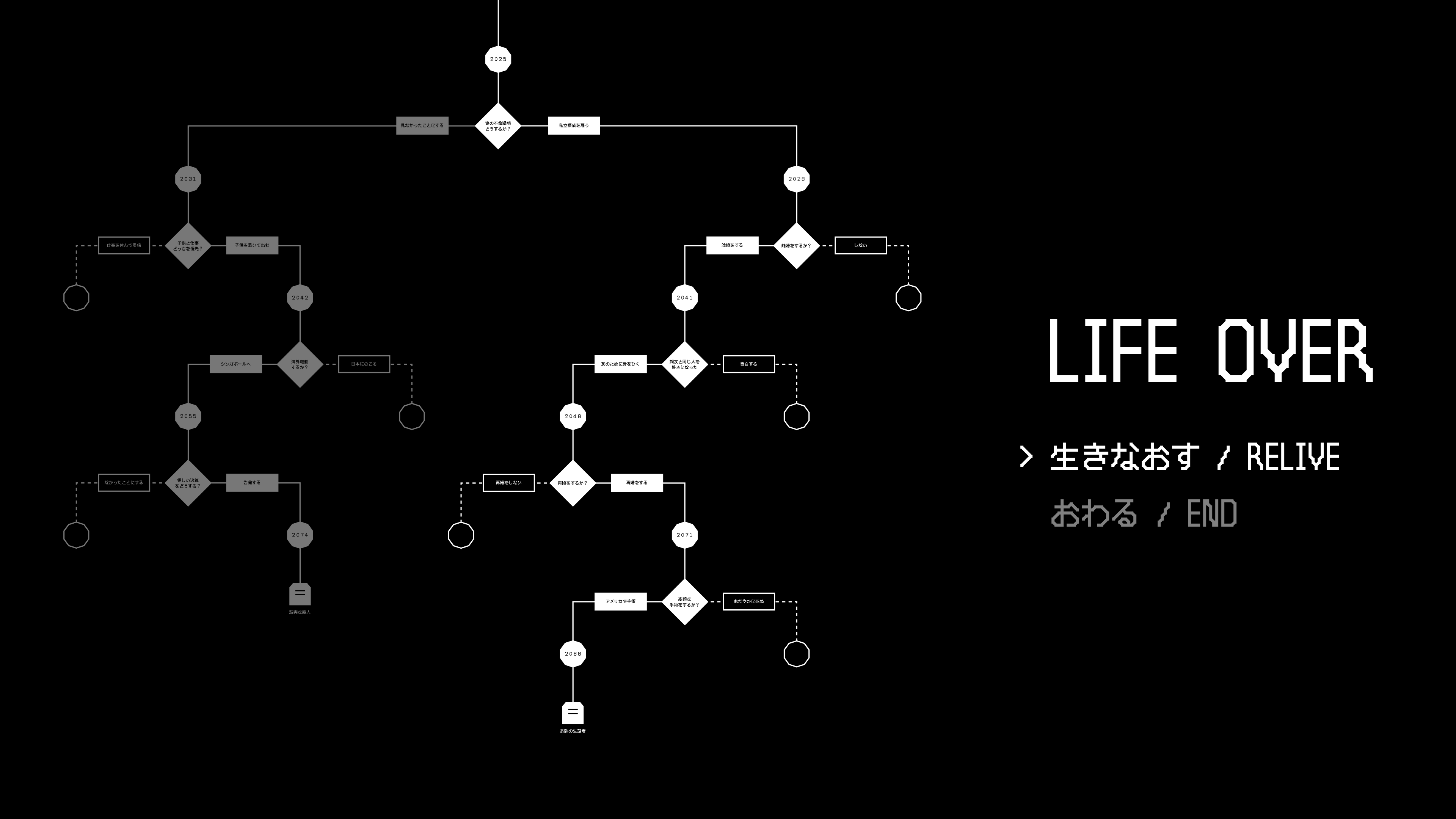
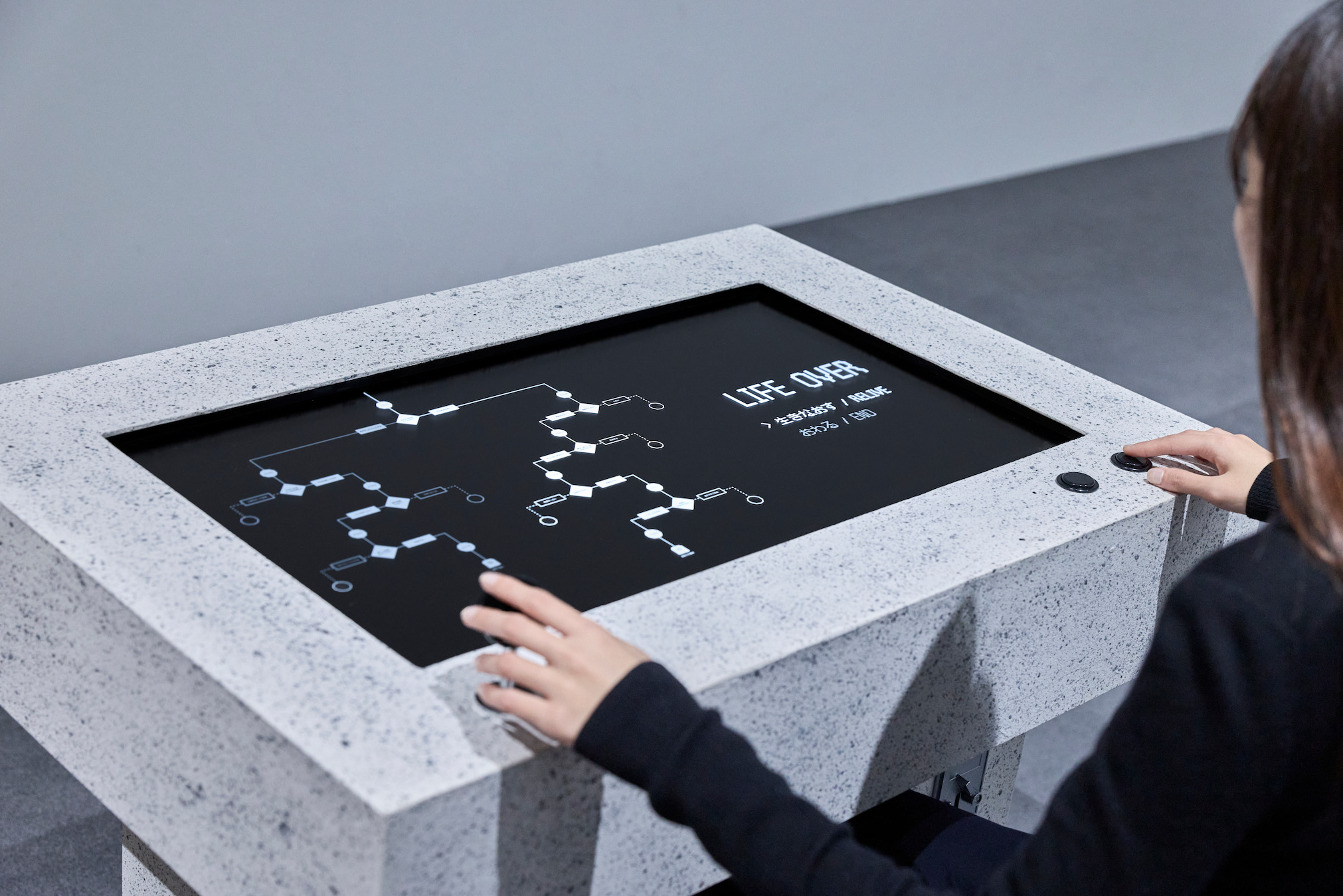
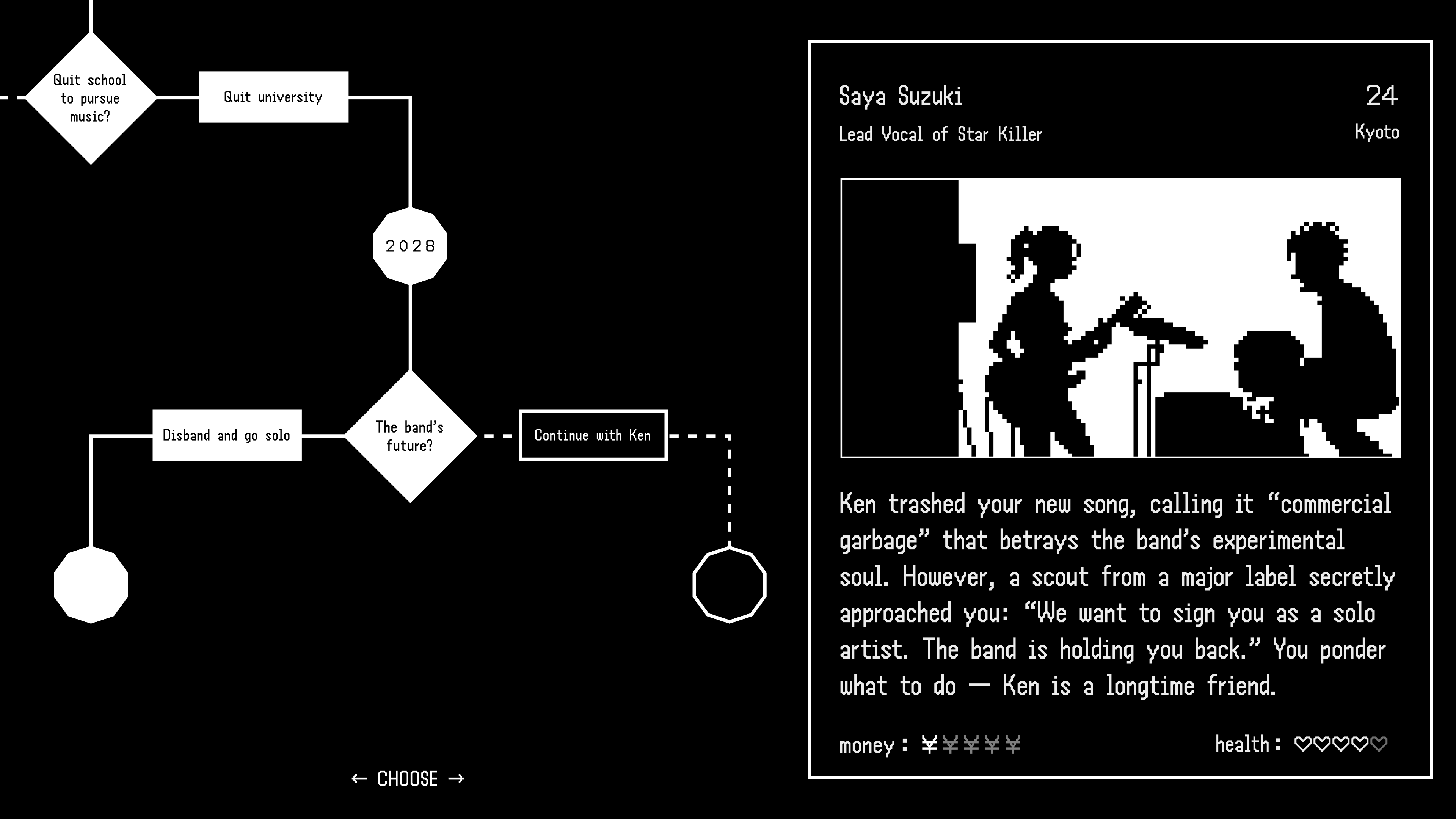
Game of Possible Lives is an arcade game where a locally running AI narrates the life of a statistically plausible person. Players guide this person through major crossroads in life, such as education, work, and relationships, and follow the consequences of each choice to the end. When a life comes to an end, they return once to an earlier decision and follow the path not taken.
Each life is generated in real time by Gemma 3, an open-weight model running inside the cabinet. A fictional person is assembled from categories in a country's national census, such as age and occupation, into a combination that could plausibly exist there today. The version shown at Mori Art Museum's Roppongi Crossing 2025 drew on Japan's latest census.
The work joins a long lineage of games that compress a human life into a set of rules, from Moksha Patam in ancient India to Milton Bradley's Checkered Game of Life (1860). Each is a playable archive of its era's normative assumptions about how a life should be lived.
By running the model locally and preserving it as it exists today, the cabinet becomes an experiential archive of the present, a mirror that opens questions about the values and biases embedded in the society the model learns from, and how they might be reflected back to us. Living as someone else prompts us to reflect on the forces shaping our own lives — and on the lives these systems can never generate.
→More info on the game
→Read the interview on Side Quest
*The images in this game are generated by an image generation model developed by pixel artists themselves. For its training, the model utilizes consented artwork data from a community of creators who are compensated for their contributions.
Exhibition
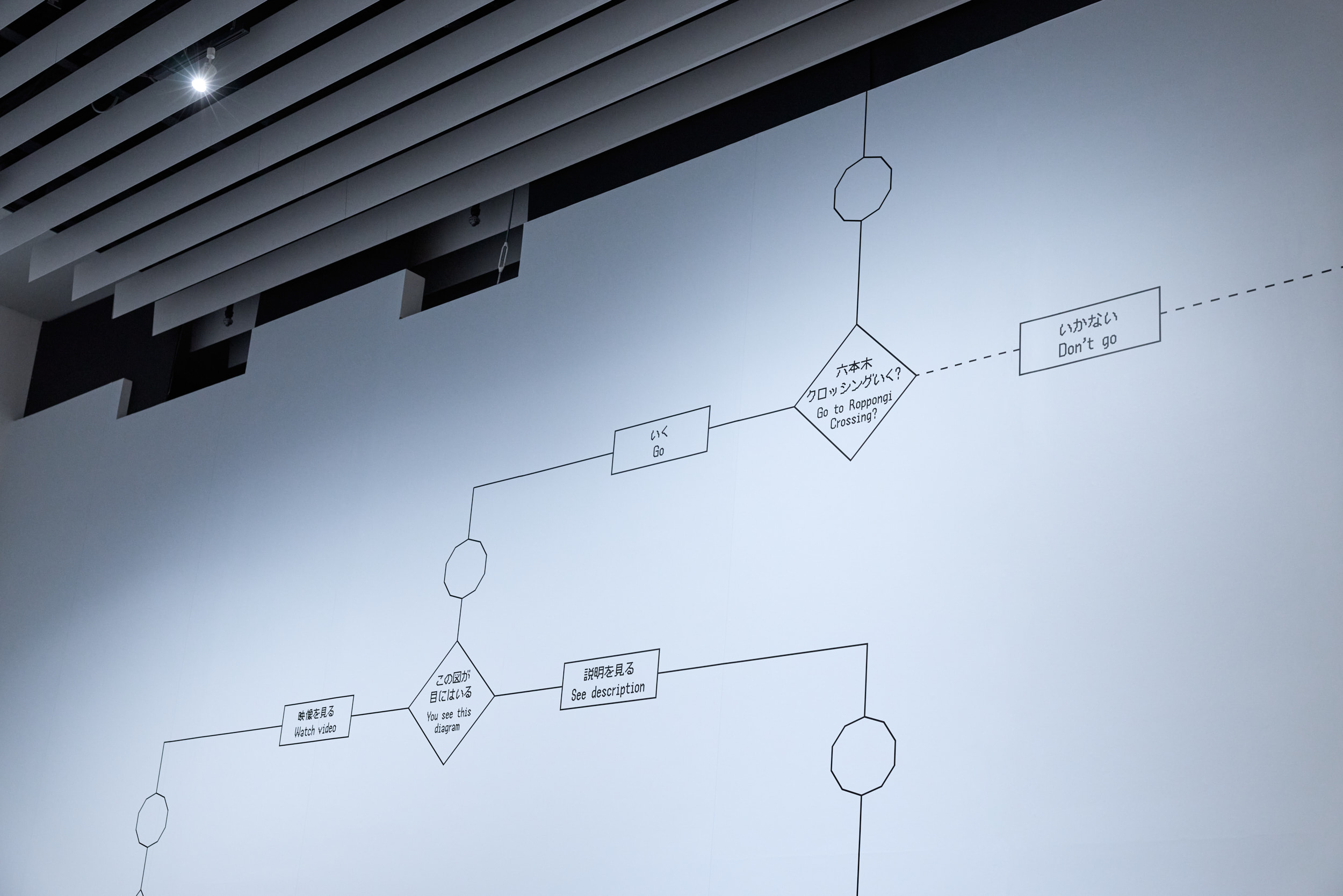
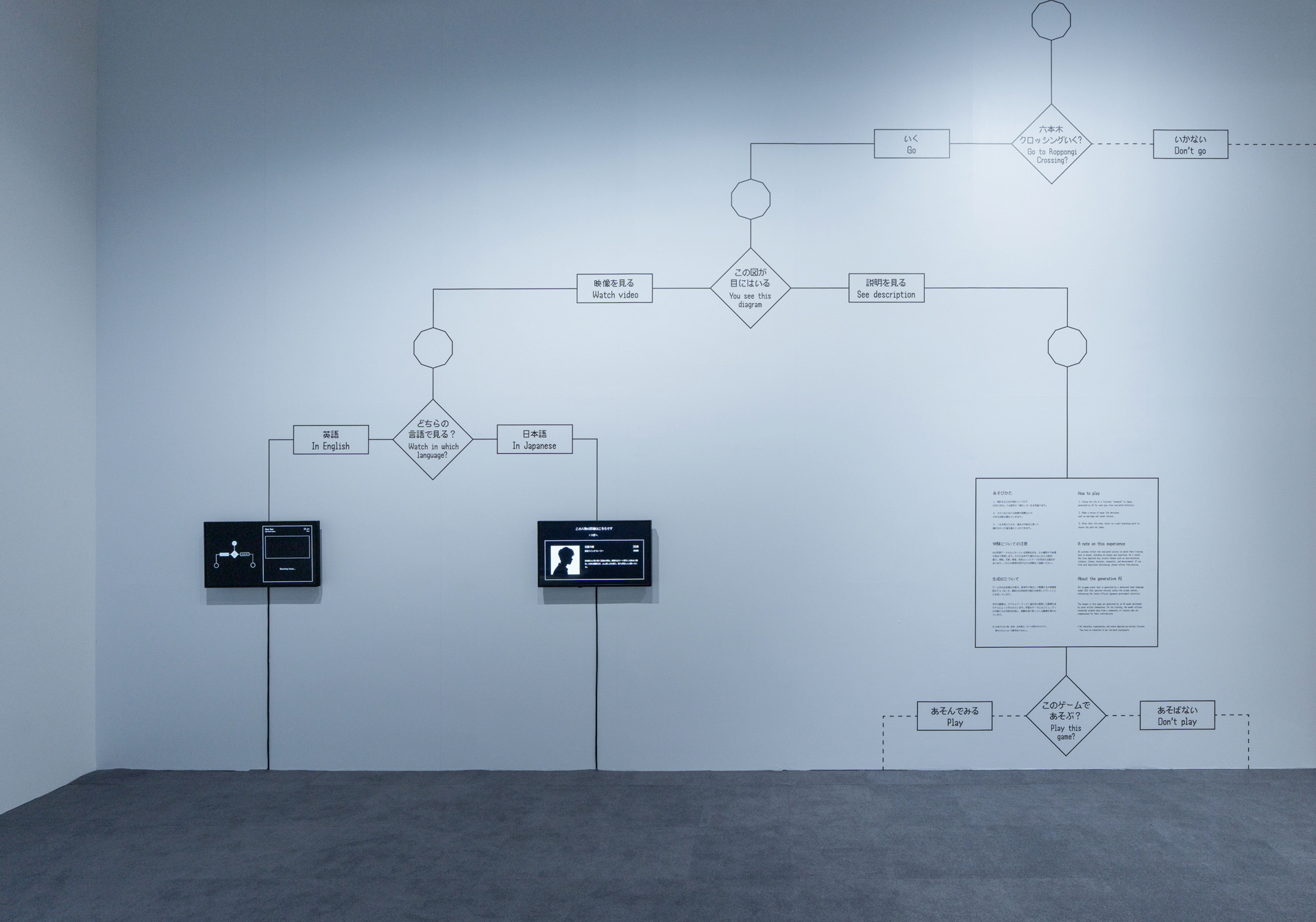
Mori Museum : Roppongi Crossing 2025
What Passes Is Time. We Are Eternal.
2025.12.3 [Wed] - 2026.3.29 [Sun]
Curation :
Leonhard Bartolomeus (Curator, Yamaguchi Center for Arts and Media [YCAM]), Kim Haeju (Senior Curator, Singapore Art Museum), Tokuyama Hirokazu (Senior Curator, Mori Art Museum), Yahagi Manabu (Associate Curator, Mori Art Museum)
Credits
Concept, Game Design, Visual Design : Tomo Kihara
Development : Tomo Kihara, Ryota Okawa (Polygoose Studio)
Sound Design : Higashi Takumi, seadenden
English Font Design : Zin Nagao
Editorial Support : Kou Shirayone
Image Model Provision : Cody Claus, Brandon Neri
Circuit Design Support : Kaho Abe
Cabinet Design : Tomo Kihara
Cabinet Production : Yusuke Kokubu (Yukuido Ltd)
Plastering: Yawata Sakan
Material Support : Aica Kogyo Co., Ltd.
Photo : Aya Kawachi